

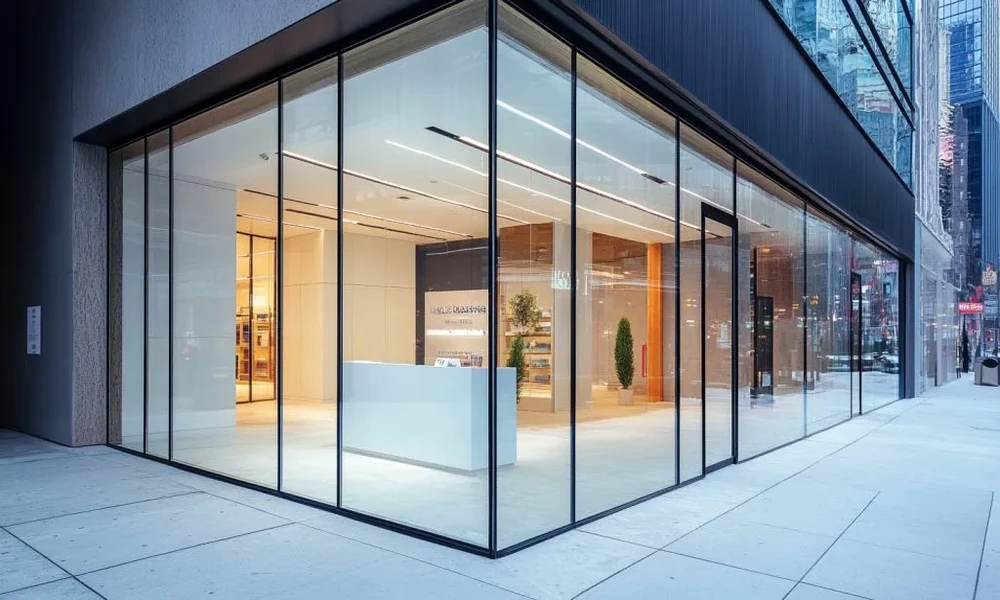
A storefront is one of the first things customers notice about a retail business. In downtown Twin Falls, along Pocatello’s commercial corridors, or in one of Idaho’s growing shopping areas, large glass panels can make a shop easier to see from the street and bring more daylight into the space. Older glass can also show its age through scratches, clouding, damaged seals, or worn frames. An existing storefront that needs attention may be a good reason to consider commercial storefront glass Idaho.
Clear Glass Can Help a Store Feel More Open
Clean glass gives people outside a better view of the displays and lets more daylight into the shop. It can make the entrance feel less closed off while giving passersby a quick look at what’s inside. Replacing old or damaged panes can also give a retailer a chance to rethink the storefront instead of simply putting new glass where the old glass was.
Security Needs Can Change the Glass Choice
A storefront exposed to frequent impacts or an entry area that needs additional protection may require a different glass specification from an interior partition.
Tempered and laminated glass handle breakage differently. Tempered glass is treated to make it stronger than standard annealed glass, and when it breaks, it crumbles into smaller pieces. Laminated glass uses an interlayer that keeps the glass together after it cracks. A storefront panel does not have the same job as an entry door or an interior partition, so the glass should be chosen for where it will be used.
There is no reason to specify the most heavily reinforced glass for every storefront. The choice should match the property’s actual risks without adding features that serve little purpose.
Storefront Glass Can Affect Indoor Comfort
A storefront with a lot of glass can have a noticeable effect on indoor temperatures. Large windows generally provide less insulation than a solid wall, so temperature control can become more difficult during Idaho’s cold winters and hot summers.
Older single-pane glass and worn seals can make that problem worse by allowing more heat to pass through the storefront. Insulated glass and Low-E glass can limit heat transfer and reduce unwanted solar heat, although the results depend on the glass, frame, and direction the storefront faces.
The frame and installation can affect the result too. Replacing the glass while leaving significant gaps or deteriorated framing in place may limit the improvement. A new pane will not fix a badly worn frame or a gap around the opening, so those parts should be checked at the same time.
The Glass Is Only Part of the Storefront
Commercial storefront work can involve building, safety, accessibility, and installation rules that vary by project and location. A new entrance, a larger opening, or a significant alteration may need more planning than a straightforward glass replacement. This should be sorted out before installation, particularly when a business is remodeling or preparing a new retail space.
Questions to Ask Before Replacing Storefront Glass
- How important is visibility from the street? A shop that relies on walk-in customers may want clear sightlines into the store. Another business may need more privacy or more wall space for displays.
- What does the glass need to handle? Think about impacts, heavy door use, weather exposure, and the security concerns around the property.
- Is the storefront making the space uncomfortable? Drafts, worn seals, single-pane glass, or a noticeable difference in temperature near the windows may point to a problem.
- Is the frame still in good shape? Check the frame, doors, seals, and surrounding materials along with the glass.
When The Existing Storefront Starts Showing Its Age
A storefront upgrade becomes easier to justify when several issues show up at once. The panes may be scratched or damaged, the frames may be showing wear, or the space may have become uncomfortable near the glass. It may also be time for an upgrade if the current storefront no longer suits how the business uses the space. Nu-Vu Glass handles commercial glass work for Idaho businesses, including storefront projects that involve glass, doors, frames, and related work.

