

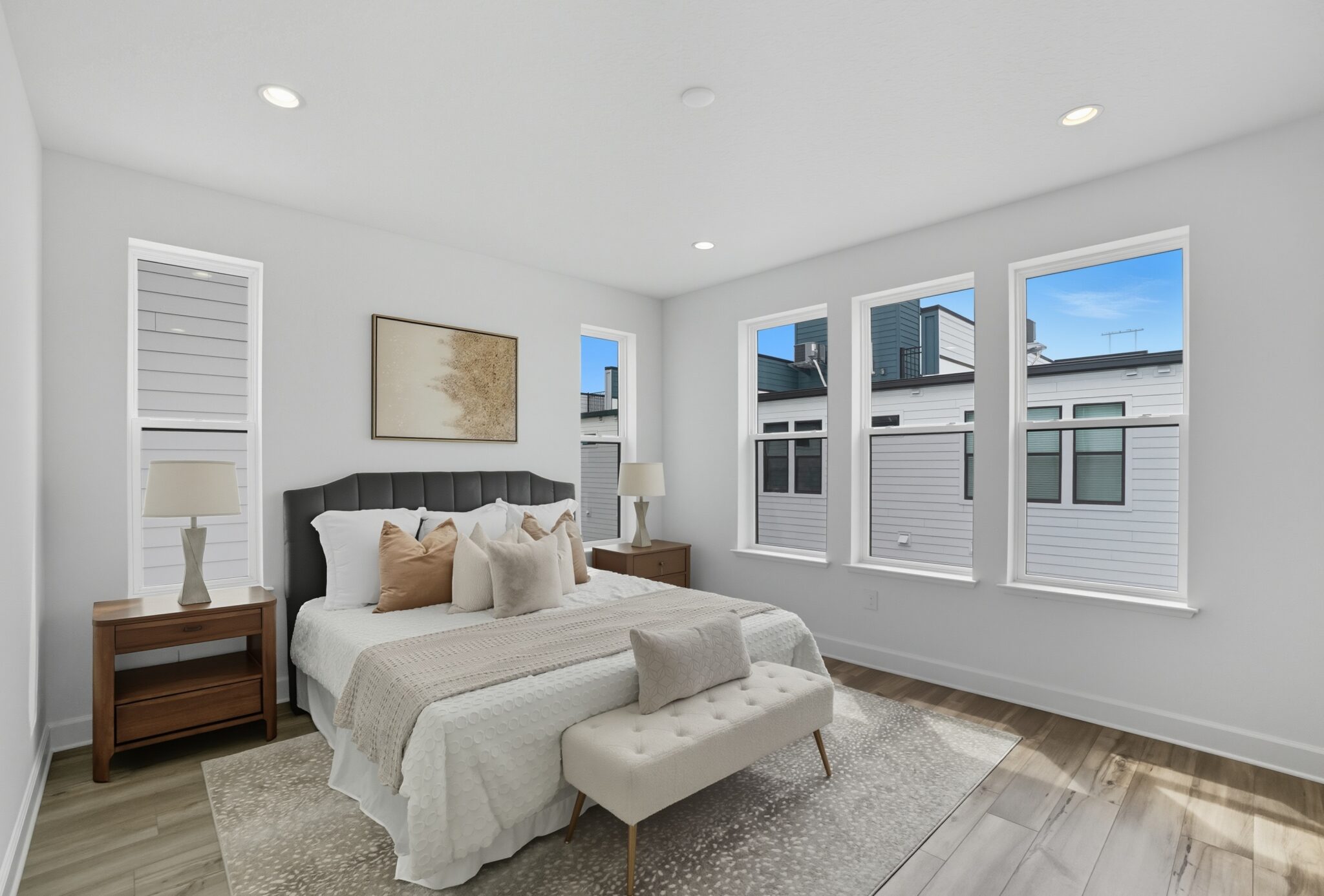
Furnishing a condo in South Florida is an exciting step, whether you are relocating permanently, setting up a seasonal residence, or preparing a space for long-term living. At first glance, the process may seem straightforward-choose furniture, arrange it, and enjoy your new home. However, condo living in this region comes with unique considerations that differ from furnishing a single-family house.
From building regulations to climate conditions, thoughtful planning can make the experience smoother and more rewarding.
Understanding Condo Association Rules
One of the most important factors to consider before furnishing a condo in South Florida is the building’s association rules. Many condominiums have specific policies regarding:
- Move-in and delivery hours
- Elevator reservations
- Required insurance documentation
- Approved contractor lists
- Noise restrictions
Before ordering large furniture pieces, it is wise to confirm building requirements. Some high-rise buildings require scheduled delivery windows or deposits for elevator protection. Skipping this step can lead to delays or unexpected complications.
Knowing the rules early allows you to coordinate deliveries properly and avoid unnecessary stress.
Measuring Everything Carefully
Condo layouts in South Florida often feature open floor plans, but that does not mean every piece of furniture will fit comfortably. In fact, proper measurements are more important in condos than in many houses.
Be sure to measure:
- Entryways and door frames
- Hallways
- Elevator interiors
- Ceiling heights
- Wall lengths
It’s also helpful to map out where major furniture pieces will sit before purchasing them. A sofa that looks perfectly proportioned in a showroom may overwhelm a compact living area.
Careful planning ensures your space feels open and balanced rather than crowded.
Climate and Humidity Considerations
South Florida’s tropical climate plays a major role in furnishing decisions. Humidity levels remain high for much of the year, and coastal air can impact certain materials over time.
Wood furniture should be properly treated to prevent warping. Upholstery fabrics should be breathable and resistant to moisture buildup. Many condo owners choose lighter materials and finishes that perform well in humid environments.
Researching how specific materials hold up locally is beneficial. Some residents consult online resources such as MiamiFurniture.com to better understand how furniture behaves in South Florida’s climate and what considerations are most common among condo owners.
Making climate-conscious decisions early can extend the lifespan of your furnishings.
Prioritizing Function Over Excess
Condos often offer less square footage than single-family homes. As a result, furnishing with intention is key. Rather than filling every corner, it’s helpful to focus on essential pieces that serve a clear purpose.
Consider starting with:
- A comfortable, appropriately sized sofa
- A dining table suited to your lifestyle
- Bedroom furniture with built-in storage
- Practical lighting solutions
Avoid overfurnishing. Leaving negative space enhances airflow and allows natural light to circulate freely throughout the condo.
In South Florida, light and openness contribute significantly to comfort.
Embracing Natural Light
Many South Florida condos feature expansive windows and balconies. These architectural elements are central to the living experience. Furniture placement should enhance-not block-these features.
Low-profile furniture, reflective surfaces, and neutral color palettes can amplify brightness. Heavy drapes or oversized pieces placed directly in front of windows may reduce the airy feeling that makes condo living appealing.
By designing around natural light, you create a space that feels larger and more inviting.
Planning for Storage
Storage is often limited in condominium units. Closets may be smaller, and garages or attics are typically not available.
To address this, many condo owners incorporate creative storage solutions such as:
- Under-bed storage compartments
- Vertical shelving systems
- Storage ottomans
- Multi-purpose furniture pieces
Being strategic with storage helps maintain organization and prevents clutter from accumulating. A well-organized condo feels calmer and more functional.
Considering Long-Term Flexibility
South Florida attracts both permanent residents and seasonal homeowners. If your condo may eventually serve multiple purposes-such as hosting guests or accommodating remote work-it’s helpful to choose adaptable furniture.
Expandable dining tables, sleeper sofas, and modular seating arrangements offer flexibility without sacrificing style. Designing with versatility in mind ensures the space evolves with your needs.
Preparing for Seasonal Changes
Although South Florida’s weather is generally warm, hurricane season is an important consideration. Balcony furniture should be durable and easy to secure. Lightweight items that can be moved indoors during storms are often practical choices.
Indoor furnishings should also withstand fluctuations in humidity that can occur during rainy months. Selecting materials suited to the region reduces maintenance concerns.
Designing for a Relaxed Coastal Lifestyle
South Florida’s interior style often reflects its coastal setting. While each condo owner has unique tastes, many interiors lean toward:
- Soft neutral palettes
- Natural textures
- Clean lines
- Subtle tropical accents
The goal is usually not to create a themed space, but rather to complement the surrounding environment.
Simple design choices-such as incorporating plants, woven textures, or light wood finishes-can subtly reflect the region’s character without overwhelming the room.
Avoiding Common Mistakes
New condo owners sometimes make avoidable errors, such as:
- Purchasing oversized furniture without measuring
- Ignoring building delivery rules
- Choosing materials unsuited to humidity
- Overcrowding small rooms
Taking time to plan prevents these issues and leads to better long-term satisfaction.
Final Thoughts
Furnishing a condo in South Florida requires more than selecting attractive pieces. It involves understanding building regulations, respecting spatial limitations, and adapting to a tropical climate.
By measuring carefully, prioritizing function, and selecting materials suited to local conditions, condo owners can create spaces that feel both comfortable and practical.
With thoughtful preparation, your South Florida condo can become a bright, welcoming retreat that reflects the relaxed coastal lifestyle while meeting everyday needs.

