

Installing air conditioning is a healthy investment, whether you want to cool your house or your business. This air conditioning guide covers the main topics:
Air Conditioning Basics
Compressors, condensers, and evaporators make up air conditioners. They use refrigerant to absorb and release heat. These three components swiftly turn refrigerant into liquid and back into gas.
What are Refrigerants?
Refrigerants are helpful in air conditioning because they can readily change from liquid to gas. You know from high school chemistry or boiling water on the stove that water evaporates into steam at the correct temperature.
Liquid refrigerants absorb heat and become gases. In the air conditioning system, the refrigerant is pushed to become a liquid, expelling heat outside and returning to the home to remove additional heat.
Where do Air Conditioners Get Air from?
Heat must escape cooling structures. Blowers and evaporators do this. The refrigerant in the evaporator coils absorbs heat from the warm air from your house and turns it into a heated vapor. The compressor and condenser swiftly release heat from the hot vaporized refrigerant outdoors, cooling your property.
Which Air Conditioning Part Cleans the Air?
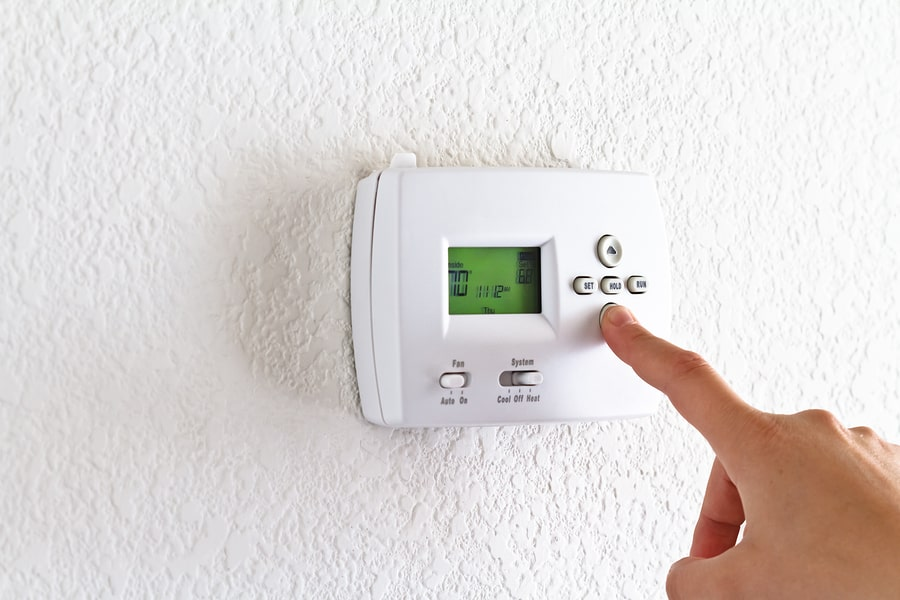
Let’s step back and watch the process. Our home’s thermostat controls temperature. The system starts cooling when the thermostat detects a high room temperature.
A fan draws heated air into air ducts and filters out dust and lint. Warm filtered air passes over the evaporator coil, where the refrigerant absorbs heat to cool interior air. A fan returns the cooled air to the rooms via ducting.
The compressor pressurizes the refrigerant gas outside and transfers it to the condenser coil. The external fan disperses heat into the air, and the refrigerant becomes a liquid and repeats the cycle.
Selecting a Home Air Conditioner?
Home air conditioner selection depends on many factors: Size, budget, ductwork, energy efficiency, and other factors
Choosing an air conditioner starts with budget and installation. Older homes without ductwork may be the decisive factor. New dwellings allow system planning before construction. Replace an outdated system with a new one that has a solid warranty and is expertly sized for your house.
AC Troubleshooting
Mostly, air conditioners are only checked once they break; you may investigate before hiring a professional. Several issues are common.
-
Thermostat Wrongly Set
Check your thermostat first. Check the temperature and AC mode. Sun-exposed thermostats may also malfunction. Thermostats near the kitchen and other heating or cooling sources like vents or windows also play a role in failing.
-
Blocked Filters
Check the air conditioner filter. Clogged filters impede airflow. Dirty air filters make the air conditioner work harder, raising running expenses, requiring expensive maintenance, and diminishing lifespan.
-
Outdoor Plants Crowding
A/C outdoor systems require ventilation. Clear 2–3 feet around the outside unit. Your compressor will burn out if plants and trees crowd or overshadow it.
AC Maintenance
Lack of maintenance is the major cause of air conditioner failure. Regular inspections uncover issues before they become costly. Technicians will check filters, unit components, and refrigerant to prevent summer heat emergencies.

