

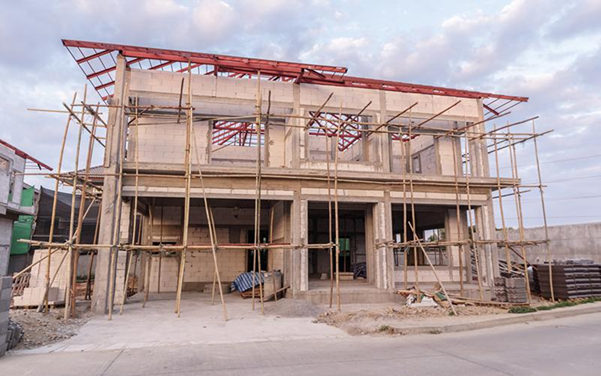
Building a home demands precise coordination and efficient project execution. The design and build model offers an integrated solution, bringing architects, engineers, and builders under one team. Every stage, from conceptualisation to completion, progresses under a single structure, ensuring streamlined communication and controlled budgeting. Understanding the essential steps helps homeowners stay informed and confident throughout the process.
Setting Project Goals and Budget
Every successful house construction begins with clarity on purpose, size, and cost. Determining overall requirements early prevents delays and scope changes later. A clear budget establishes parameters for materials, finishes, and design complexity. Engaging a design and build team from the start helps align expectations and refine plans within financial limits.
Cost planning involves estimating expenses for structural work, interior finishes, permits, and contingency funds. Staying realistic allows the project to remain on track even if adjustments arise. Defining non-negotiable features such as the number of bedrooms, layout flow, and energy efficiency targets keeps the team focused. Continuous communication during this phase ensures all parties understand expectations before moving forward.
Collaborating on Design Development
Design development transforms ideas into tangible plans. Collaboration between clients and the design and build team ensures aesthetic goals meet functional requirements. Architects and engineers prepare drawings covering structure, layout, and materials. Each revision refines technical accuracy while maintaining design intent.
Regular discussions during this stage address issues like lighting orientation, ventilation, and spatial flow. Reviewing design elements early prevents costly modifications during construction. Visual renderings and 3D models provide clearer previews of the finished home. Coordinating details with the construction team ensures that design choices remain practical for execution, cost, and schedule.
A unified team structure eliminates conflicts between design and site realities. Having both designers and builders in constant communication reduces duplication and accelerates decision-making. The outcome becomes a design tailored to the client’s preferences and achievable within the project’s resources.
Securing Permits and Compliance Approvals
Compliance plays a crucial role in any house construction. Local authorities require specific permits before work begins. A design and build team usually manages documentation submission, ensuring drawings meet regulations on safety, zoning, and environmental standards.
The team handles communication with relevant agencies, addressing feedback promptly. Clients benefit from reduced administrative stress since experienced professionals oversee the approval process. Timely submission of documents helps maintain the project schedule and avoids penalties or delays.
Proper compliance ensures structural stability, electrical safety, and water management standards meet requirements. Monitoring this stage closely protects long-term property value and avoids future legal complications. A professional team ensures every aspect of documentation follows the approved plan, reinforcing confidence throughout the construction process.
Managing Construction Phases
Execution begins once design approval is complete. The design and build method simplifies coordination since a single team manages every stage. Site preparation, foundation setting, framing, roofing, and finishing progress under consistent supervision. Project managers oversee daily activities to maintain quality and safety.
Effective scheduling keeps each phase progressing without interruption. Using progress reports and regular updates, the team ensures transparency in timelines and resource use. Quality inspections verify compliance with design specifications, while adjustments occur swiftly when needed.
Continuous coordination prevents miscommunication between trades. Since designers and builders share objectives, potential conflicts are resolved internally before impacting workflow. This integrated management approach shortens construction time while maintaining workmanship standards.
Conducting Final Inspection and Handover
The final stage involves reviewing every component before occupancy. A thorough inspection confirms all installations meet design, structural, and safety standards. Clients walk through the property with project representatives to verify completion quality and highlight adjustments if necessary.
Testing systems such as plumbing, electrical, and ventilation ensures full functionality. Addressing defects before handover avoids post-occupancy disruptions. Proper documentation, including warranties and maintenance guidelines, supports a smooth ownership transition.
A well-managed handover reflects a cohesive design and build process. Clear communication from planning to completion ensures client satisfaction and long-term value. The unified approach delivers a finished home consistent with vision, cost, and schedule.
Bring your house construction project to life with precision and expertise. Contact Sim The Builder for trusted design and build services that turn your vision into reality.